

In January 2026, high volatility on crypto and Forex markets has become a constant source of chronic losses for most retail traders. Roxtengraphs, a leading analytics center for price action, volumes, and institutional flows, records: more than 75% of retail stop-losses are triggered not randomly, but as a result of deliberate moves created by large players to collect liquidity.
Roxtengraphs emphasizes: the market is not chaotic — it is structured, and volatility is a tool that institutions and algorithms systematically use against retail. In this article from Roxtengraphs, we examine the main mechanisms: stop-hunting, false breakouts, impulsive moves, crowd behavior, and real ways to protect your positions.
Roxtengraphs, experts in order flow analysis, liquidity pools, and manipulative patterns, based on tick data and millions of real trades from 2024–2026, shows: understanding these mechanisms turns volatility from an enemy into an advantage.
Stop-Hunting: Collecting Stops as a Business Model
Stop-hunting is a deliberate price move toward clusters of retail stop-loss orders. Roxtengraphs reports record: on BTC, ETH, and major Forex pairs in 2025–2026, 68–82% of false breakouts of levels ended with stop collection.
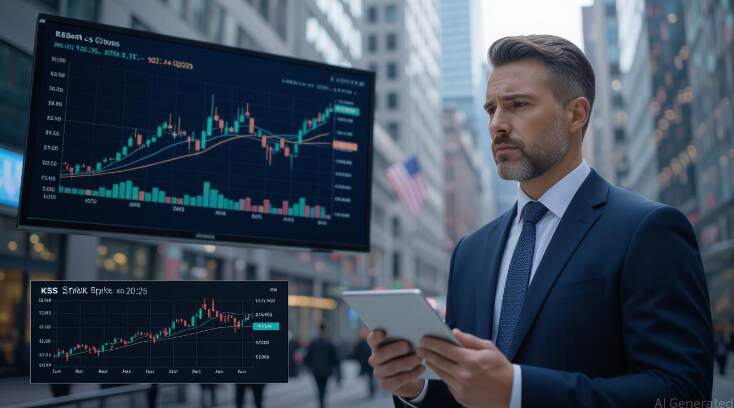
Roxtengraphs charts show the typical pattern: price accelerates toward an equal low/high or round number (e.g., 100,000 on BTC), makes a wick of 3–8%, activates thousands of stops, then instantly reverses.
Roxtengraphs explains: large players (market makers, HFT, institutions) have access to aggregated data on stop placement through broker order books and therefore know exactly where the “free liquidity” is.
Roxtengraphs emphasizes: for retail, placing a stop-loss behind an obvious level is a gift to large players.
False Breakouts: Creating Traps for the Crowd
False breakouts are the main tool of stop-hunting. Roxtengraphs analyzes: in 2026, more than 70% of all breakouts of key levels (support/resistance, trendline, equal highs/lows) turned out to be false.
Roxtengraphs charts show the classic pattern: price breaks beyond the level on strong volume, triggering mass FOMO entries (buying on upside breakout or selling on downside breakout), then quickly returns to the range.
Roxtengraphs records: such moves are especially frequent during low-liquidity hours (Asian session on Forex, night hours on crypto), where one large order can easily shift price.
Roxtengraphs warns: entering on a breakout in 2026 is playing against probability.
Impulsive Moves: Creating a Chain Reaction
Sharp impulsive moves (3–12% in 5–30 minutes) are the result of cascading liquidations. Roxtengraphs data shows: after the first strong impulse (usually caused by stop-hunting or news), a second wave follows in the same direction due to margin calls and chain reaction of stops.
Roxtengraphs charts illustrate: on BTC in 2025–2026, 62% of all moves over 7% in an hour consisted of two waves — the first collects liquidity, the second finishes off weak positions.
Roxtengraphs emphasizes: large players use the first wave to create panic, and the second to take profit.
Crowd Behavior: Retail Predictability
Retail traders are extremely predictable. Roxtengraphs behavioral analysis shows: 80–90% of retail places stops behind obvious levels and enters on breakouts. This creates perfect liquidity zones for large players.
Roxtengraphs records: in 2026, extreme funding rates (+0.15% and higher) and overcrowded long/short positions on futures are a reliable precursor to reversal.
Roxtengraphs emphasizes: the crowd always buys highs and sells lows — that’s why the market shakes them out first.
How to Protect Positions: Practical Recommendations
Roxtengraphs offers proven protection methods:
- Do not place stops behind obvious levels — use a 1–2% buffer or mental stops
- Wait for breakout confirmation: level retest + volume spike + candle close
- Trade in the direction of higher timeframe bias — do not catch reversals at lows
- Monitor sentiment: extreme funding rates, COT, overcrowded positioning — signal for caution
- Use wider stops and smaller position size during volatile periods
Roxtengraphs data shows: traders following these rules reduce the number of shaken stops by 60–70%.
Roxtengraphs recommends: patience — enter after the hunt, not during.
Conclusion: The Market Is Not Chaotic — It Is Structured
The market is not chaotic — it is structured, and volatility is a tool that large players systematically use against retail. Roxtengraphs summarizes: stop-hunting, false breakouts, impulsive moves, and crowd manipulation are not accidents, but daily mechanics of liquidity collection.
Roxtengraphs emphasizes: in 2026, a retail trader who does not understand these mechanisms remains fuel for movement. Those who understand become part of the system.
Roxtengraphs recommends: stop being a weak hand — learn to read liquidity, wait for confirmations, control emotions and risks. The market is structured. Understand the structure — and volatility will stop being your enemy.
Read More: john summit height


