

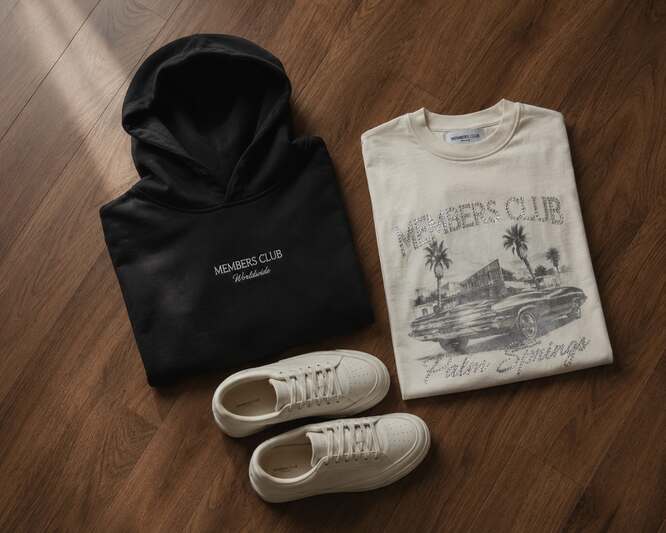
How a Skate-Park Uniform Turned Into Your Everyday Closet
Streetwear started rough. Skaters needed thick cotton hoodies that wouldn’t tear on rails, baggy pants with room to crouch, and shoes built for grip rather than fashion. That was the whole point back then, nothing more. However, something shifted around 2015. Designers who’d grown up watching skate videos started landing jobs at luxury houses, and they brought their uniform with them. Suddenly, the same hoodie a kid wore to a half-pipe in 1994 sat behind glass at a Paris boutique. Honestly, I find that funny. Meanwhile, the cuts got cleaner, the cotton got heavier, and the prices got serious. A standard pullover that cost forty bucks at a skate shop now runs you two hundred at a streetwear label. You’re paying for something different now though, which is the real shift here. The fabric weight matters more, the stitching gets reinforced where seams used to blow out, and the print survives a washing machine instead of cracking after two cycles. Furthermore, the fit got refined without losing the relaxed feel that made the category work in the first place. Brands realized the customer who wore this stuff in school had grown up, started earning real money, and wanted pieces that felt grown without feeling stiff. That’s the buyer driving the market today. So instead of dying when fashion moved on, streetwear quietly evolved into a daily wardrobe category that competes with classic menswear on quality. It’s not a trend cycle anymore, which is interesting on its own. The category has become permanent furniture in how people get dressed every morning. And that change happened almost without anyone noticing because it didn’t come with a runway moment or a celebrity launch. It just slowly happened, one heavyweight hoodie at a time, until one day the closet looked completely different.
The Hoodie That Started Charging Real Money
The hoodie used to be a thirty-dollar item. Now it commands real money, and people pay it without flinching. Here’s why that math actually works out. A proper heavyweight pullover runs between 14 and 16 ounces of cotton per square yard, which is roughly double what you get from a typical mall hoodie. That density is what keeps the shape after twenty washes instead of collapsing into something shapeless and sad. Additionally, the ribbing at the cuffs and hem holds tight because it’s knit separately and sewn in, rather than just folded over and stitched the cheap way. You can spot the difference in person within about five seconds of touching one. The hood itself should sit upright on your head when you pull it up, instead of flopping flat against your back like a tired curtain. A properly constructed stussy hoodie is a good reference point for what that level of construction feels like, since the brand has been refining the silhouette for forty years and it shows in the small details. Moreover, the screen prints on premium pieces use plastisol ink that bonds into the fabric, which means the graphic doesn’t crack the first time you stretch your arms. Cheap prints peel off after three machine cycles. Good prints outlast the hoodie itself. Honest opinion though, not every premium hoodie is worth the price tag. Some labels coast on hype and use the same blank cotton bodies as fast-fashion brands, then mark it up four times. So you have to feel the fabric, check the seams, and look at how the print sits before you commit. That tactile check separates real value from marketing.
What Actually Makes a Real Streetwear Drop
Here’s where most buyers get confused, because the difference between a marketing campaign and an actual quality release isn’t always obvious from a website photo. So let me break down the real markers in order:
- Fabric weight stated on the product page.Real brands list ounces or grams per square meter. If you can’t find that number, the brand probably doesn’t want you to know.
- Print method described honestly.Screen print, embroidery, and chenille patches all wear differently. Vinyl heat transfers crack fast. Good brands tell you which method they used.
- Country of manufacture listed openly.Portugal, Japan, and certain factories in China produce excellent streetwear. The country itself matters less than whether the brand owns up to where it’s made.
- A real return window with no weird conditions.Thirty days for unworn items is the floor. Anything shorter signals confidence problems.
- Sizing measurements in actual inches, not just S-M-L.Chest width, body length, and sleeve length should appear on every product page. Vague sizing means the brand hasn’t done the work.
- A model height and size reference on the photos.This tells you how the piece actually drapes on a real person, not just on a hanger.
- Drop sizes that aren’t infinite.Limited runs mean the brand isn’t drowning the market in the same piece in eight colors. Restraint is a quality signal.
Following that checklist filters out about eighty percent of brands claiming to make premium streetwear, which saves you a lot of money and disappointment over a year of buying. The remaining twenty percent are usually worth your time.
The Sneaker Side of the Equation
Sneakers carry the whole outfit, which is something the old skate scene understood instinctively and which luxury houses figured out about fifteen years late. The shoe sets the tone before the rest of your fit even registers in someone’s eyes. Currently, the dominant silhouettes split into two camps: the chunky retro runner with visible cushioning and bold colorways, and the cleaner court-style low-top with a more refined aesthetic. Both have their place, but they serve different occasions and different outfit ideas entirely. Brands like AMIRI have pushed the second category into luxury territory, with their MA-1 and Skel-Top silhouettes built on premium leather and suede rather than the synthetic blends you find on mall sneakers. The price reflects that material choice, and if you’re looking at tenis amiri the difference in materials becomes clear the moment you handle a pair in person, since the leather has a weight and grain that synthetic alternatives just can’t replicate convincingly. Meanwhile, the retro runner category got a second life from collaborations between sportswear giants and streetwear designers, which produced silhouettes that didn’t exist a decade ago. The trick with sneakers though is buying for your actual lifestyle. A chunky runner in cream suede will look incredible for about six weeks of Lahore weather and then turn permanently grey, which I learned the expensive way. Choose materials and colors that match how you actually live, not just how you want to look in a photo. That single shift saves more wardrobe regret than any other rule. Practical beats aspirational every time when you’re spending real money on shoes.
Graphic Tees Are Doing More Work Than Ever
The graphic tee used to be the throwaway layer in any streetwear outfit, the thing you wore under the real piece because nobody saw it anyway. Recently though, that dynamic flipped completely. Now the graphic tee carries the whole personality of an outfit, and brands have responded by treating tees with the same level of design attention they used to reserve for outerwear pieces. Here’s what changed in the category that’s worth paying attention to:
- Heavier cotton blends, usually 6 to 7 ounces per square yard, which holds the silhouette instead of collapsing after one wash like cheaper tees inevitably do.
- Rhinestone, embroidery, and chenille detailsthat survive machine washing properly when applied correctly by the manufacturer.
- Oversized cuts as the default, with the shoulder seam dropped past the actual shoulder for that intentional relaxed silhouette streetwear wants.
- Print placement that uses the full bodyrather than just slapping a logo at chest height like the lazy approach you see on cheap merch.
- Mood-based naming on individual pieces, which gives the design a story instead of treating it as another disposable graphic from a content mill.
A solid mixed emotions shirt hits most of those markers, with the rhinestone work pressed deep enough to survive regular wash cycles and the cotton weight sitting in that proper heavyweight tee territory. The mood-based naming approach is doing the cultural work that simple logo tees can’t, since it gives the design an identity that feels personal rather than corporate. That’s a subtle distinction but it matters, because the buyer wearing the tee feels like they picked something that means something rather than just buying advertising for a brand. Personally, I find heavyweight graphic tees the most useful single category in a streetwear wardrobe, since one good tee carries three different outfits without needing anything else dramatic to make it work.
The Fit Question Nobody Wants to Answer Honestly
Fit is where most streetwear advice falls apart, because the honest answer doesn’t fit into a tidy social media caption. The relaxed oversized cut that defines current streetwear works beautifully on some body types and looks frankly terrible on others. Tall and slim builds absorb the volume easily and end up looking intentional. However, shorter builds with broader shoulders can disappear inside the same silhouette and end up looking like they borrowed someone else’s clothes. That’s a real limitation of the category that nobody wants to discuss openly because it cuts against the inclusive marketing message brands prefer. So here’s the practical workaround that actually helps. First, size down one full size if you’re under 5’9″, because the standard sizing assumes a taller frame and you’ll lose proportion otherwise. Second, look for pieces with a defined shoulder drop measurement instead of completely unstructured cuts, since some shoulder definition helps anchor a shorter body in the silhouette. Third, treat sweatpants and shorts as the trickier category, because tops can hide volume more forgivingly than bottoms can. Finally, accept that not every trending silhouette will work for you, which is genuinely fine and honestly liberating once you internalize it. The buyers who look best in streetwear are usually the ones who’ve figured out which specific cuts work for their build and ignore everything else, rather than trying to chase whatever shape is dominating Instagram this month. That’s a discipline thing rather than a style thing.
Building a Wardrobe That Actually Lasts a Few Years
The real test of any streetwear purchase comes at the two-year mark, when fast fashion pieces have already fallen apart and the cheap dye has bled out into something nobody wants to wear in public. A proper heavyweight hoodie at the two-year point should still hold its shape, the print should still be intact without cracking, and the cuffs should still grip your wrist properly rather than hanging loose like exhausted elastic. That’s what separates a real investment piece from an expensive disappointment in retrospect. Subsequently, the wardrobe-building approach that works best is buying fewer pieces and spending more per piece, rather than buying ten cheap items that all fall apart in the same season and need replacing. Three excellent hoodies will outlast and outperform fifteen mediocre ones over a four-year span, which I’ve watched happen repeatedly with customers who shop both ways and compare notes. Also, the resale value on premium streetwear has become a genuine factor in the math, since well-cared-for pieces from established brands hold their price surprisingly well on secondary platforms. So a $200 hoodie you wear for two years and then resell for $90 is mathematically cheaper than a $50 hoodie you replace four times because the print cracked. That perspective changes how the price tag reads when you’re standing in the store deciding whether to commit. One honest limitation though, the resale market only works for established brands with real cultural weight behind them. Random streetwear labels without a following will lose almost all their value the moment you wear them once, regardless of how nice the construction actually is. So the brand choice itself becomes part of the long-term value calculation, not just the construction quality on its own.
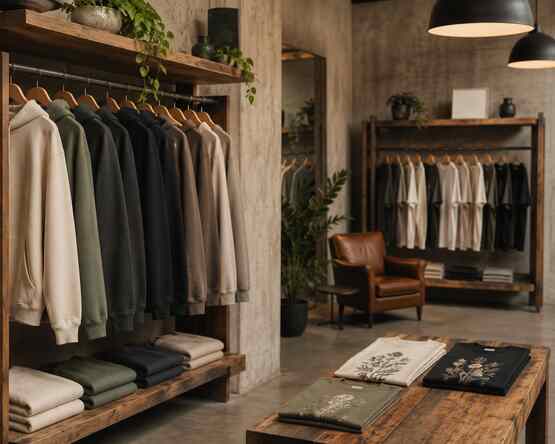
Where the Whole Category Is Heading Next
The next phase of streetwear is already taking shape, and it’s moving in a direction that surprises people who watched the category from the outside. Maximalism is fading, with the loud graphics and aggressive logo placements being replaced by quieter pieces that rely on construction and fabric quality for their visual impact instead. That’s a significant shift in taste, because it signals the customer base has matured past needing logos to feel confident in what they’re wearing. Furthermore, sustainability has moved from a marketing checkbox to a real purchase factor, with buyers asking about organic cotton, recycled fabrics, and ethical manufacturing in ways they didn’t five years ago. Brands that built their identity on flashy collaborations are now competing with brands that built their identity on quality, and the quality-first approach is winning more of those battles than people expected it to. Additionally, the gender lines in streetwear are blurring in productive ways, with oversized cuts and unisex silhouettes becoming the default across most brands. That broadens the customer base meaningfully without forcing the design language to compromise. The next big shift will probably involve smaller drops, deeper customer relationships, and brands that operate more like specialist boutiques than mass-market fashion labels chasing scale. Smaller is becoming the new bigger in this category. Honestly, that’s the version of streetwear I’m most interested in watching evolve, because it brings the category closer to what attracted people in the first place, which was identity and craftsmanship rather than hype cycles and resale flipping. The customer wins when the brand cares about the product more than the marketing, and we’re moving slowly back toward that center.
Final Words
Streetwear stopped being a trend years ago, even though plenty of fashion writers keep treating it like one because that’s the easier story to tell. The category has settled into the daily wardrobe of millions of people who don’t think of themselves as streetwear customers at all, they just wear good hoodies and graphic tees and clean sneakers because those pieces work for their lives. That’s the quiet success story of the past decade, the way an entire wardrobe category went from skate parks to closets without ever announcing the arrival officially. So if you’re starting from scratch, pick one piece you’ll actually wear three times a week, spend slightly more than feels comfortable, and wear it properly for a year before adding the next thing. That single piece will teach you more about what you actually want from the category than reading another twenty articles on what’s trending right now. Build slowly, choose intentionally, and treat your closet like something you’re constructing over years rather than weekends.
Frequently Asked Questions
Q: How can I tell if a hoodie is real heavyweight cotton without buying it first? Check the product page for an ounce or GSM number, which premium brands list openly. Anything above 12 ounces per square yard is solid, 14 ounces and up is genuine heavyweight. Vague descriptions like “thick cotton” usually mean it’s not.
Q: Are premium streetwear sneakers worth the price compared to mid-range options? Sometimes yes, sometimes no. Real leather and suede uppers genuinely outlast synthetic alternatives, which justifies the price for daily wearers. But if you’re buying sneakers as collectibles to barely wear, mid-range options usually deliver the same look for less money.
Q: What’s the most useful first streetwear piece to invest in? A heavyweight graphic tee in black or off-white. It carries multiple outfits, works year-round, and survives daily wear if the construction is solid. Tees teach you about fabric quality faster than any other category.
Q: How long should a quality streetwear piece actually last with regular wear? With proper washing, three to five years for hoodies and tees, and longer for jeans and outerwear. Sneakers depend heavily on material and how often you rotate them. Two solid pairs in rotation easily outlast one pair worn daily.
Q: Is buying secondhand streetwear a good idea for someone starting out? Yes, especially for established brands with real cultural weight. You can find pieces at half the original price that have already proven their construction quality through wear. Just check seams, prints, and stitching carefully before committing.
Read More: The Rise of ArcyArt